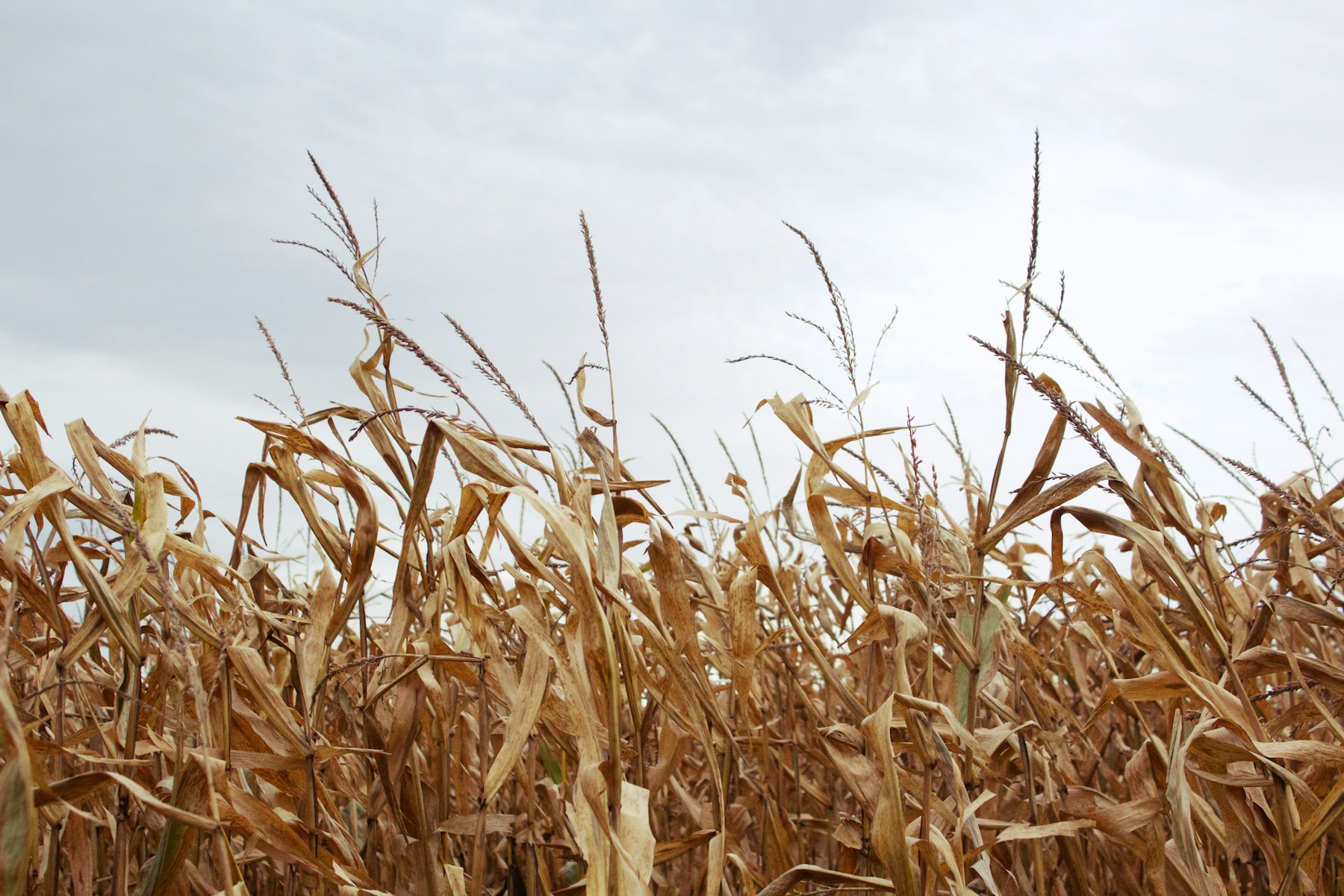
We do not drop a mix on sod and call it a plot. Typical install: soil test, lime/fert as indicated, kill or till, drill or broadcast, pack, and a 30-day check. Brassica, cereal, clover, and mixed hides are all in play — you pick the hunt calendar, we pick the rate.
Every job is quoted uniquely for your property and goals — request a free estimate.
Sound familiar?
More than seed on dirt
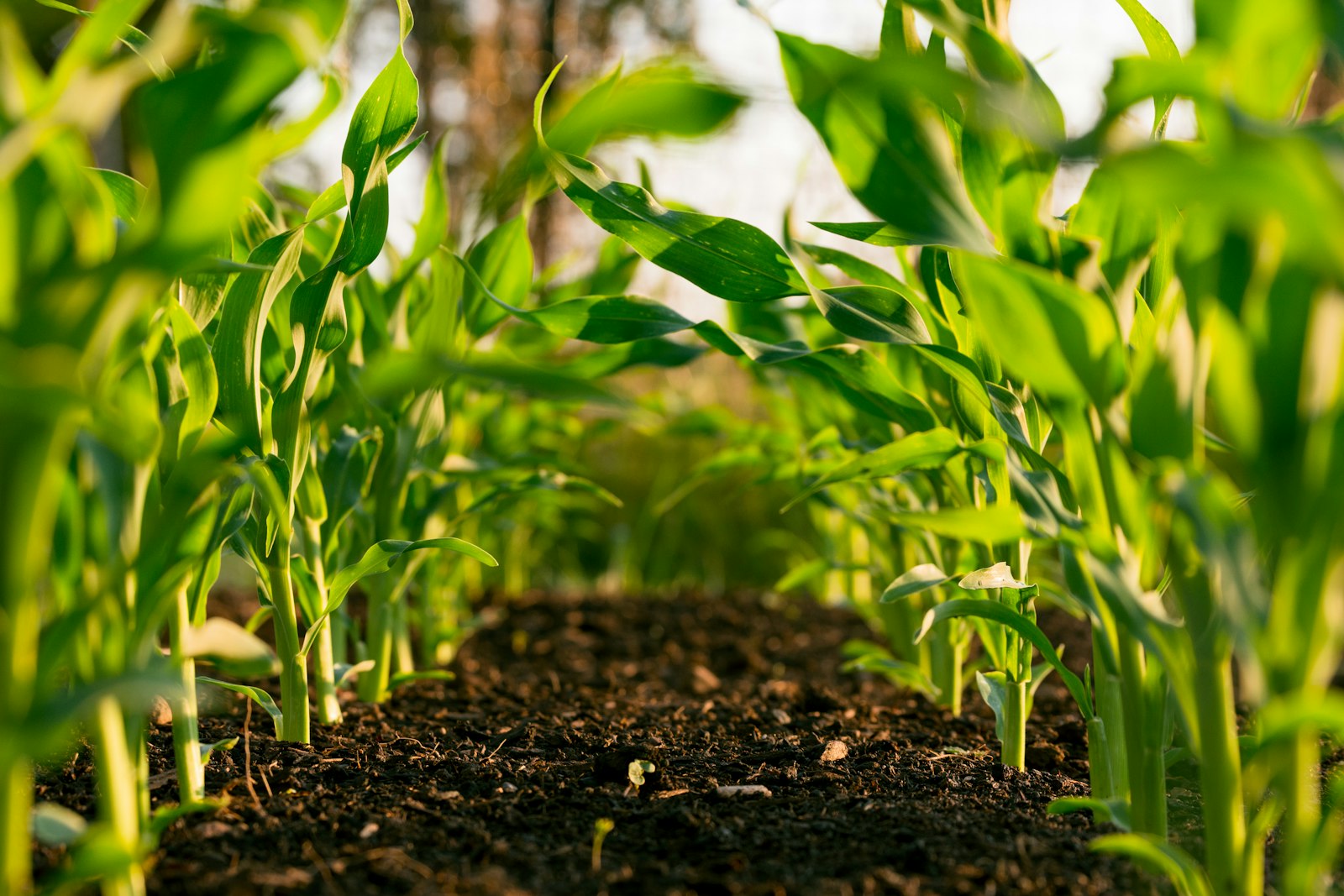
A soil test, lime or fertilizer as indicated, a real seedbed (kill or till, then pack), and a species matched to your hunt calendar and the stand’s wind is what makes a plot perform. Broadcasting a mix on unprepped sod and hoping is what makes a plot fail by mid-summer. Shape and size matter as much as seed — a half-acre kill plot and a multi-acre destination field are different designs, not the same job at different scales.
When the spot is the problem, not the seed
Heavy shade, poor drainage, or a location with no realistic wind for a stand means the plot won’t perform no matter what goes in the ground. We’ll tell you the spot is wrong before we let you blame the mix.
SAMPLE · video coming
Placeholder job-walkthrough cards linking to the gallery’s video wall. No real video is embedded yet — no view or subscriber counts.
Pricing
Most installs are priced per acre finished — soil work, seed, and the access needed to get equipment in. A small, hunt-able plot can cost less than a big one in the wrong spot.
Every job is quoted uniquely for your property and goals — request a free estimate.
What changes the number
Good to know
The most common plot mistake is not the seed mix — it is the location. A plot gets picked because it is flat or easy to reach with equipment, and none of that matters if you cannot get a stand on it with a wind that works. Start from the stand, not the field: cover for your approach, a usable wind, then size the plot to fit that location.
A smaller plot with a workable wind beats a bigger one you can only hunt a few days a year. Screening matters as much as shape — a naked approach announces you before you are in position. Standing timber, a switchgrass strip, or a planted screen along the entry route can be the difference between deer using a plot at last light and only after dark.
